

Mechanical equipment relies on various metal spare parts during assembly. The machining precision of shaft, disc and box components directly determines the overall equipment performance. With conventional processing methods, turning, milling, drilling and other operations are completed on separate machines. Repeated workpiece clamping between processes changes the positioning reference many times, leading to accumulated dimensional deviations and long processing cycles. Machined parts adopt CNC machine tools to perform composite processes including turning, milling, drilling and tapping. Multiple machining operations can be finished in a single clamping setup for metal components. As mechanical spare parts manufactured by CNC turning-milling-drilling composite machining, they meet component supply demands in industries such as automated equipment, new energy equipment and textile machinery.
Machined parts undergo multi-process CNC fabrication according to engineering drawings. Turning creates outer circles, end faces and threads for shaft parts; milling forms flat surfaces, grooves and special profiles; drilling and tapping produce mounting holes and threaded holes. CNC machine tools control tool paths via programs to ensure stable dimensional tolerances and high consistency in mass production. A wide range of materials including steel, aluminum and stainless steel are selected for component fabrication, with materials and heat treatment conditions chosen based on working conditions. Post-processing surface treatments such as anodizing, galvanizing and blackening can be applied to enhance corrosion and wear resistance. Dimensional inspection reports are provided upon request for assembly, and finished parts can go straight into assembly to eliminate secondary processing for customers.
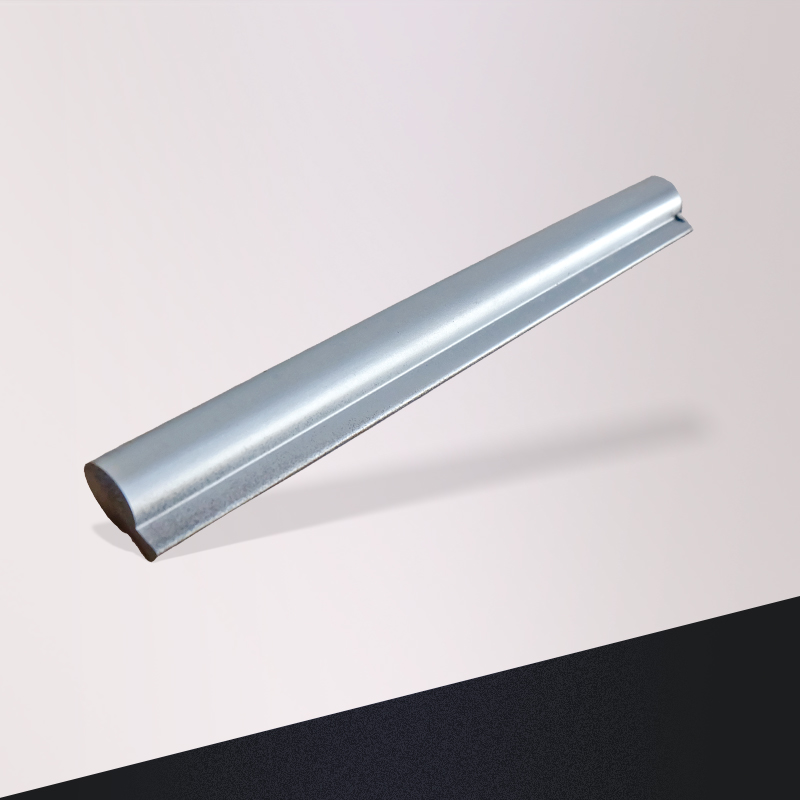
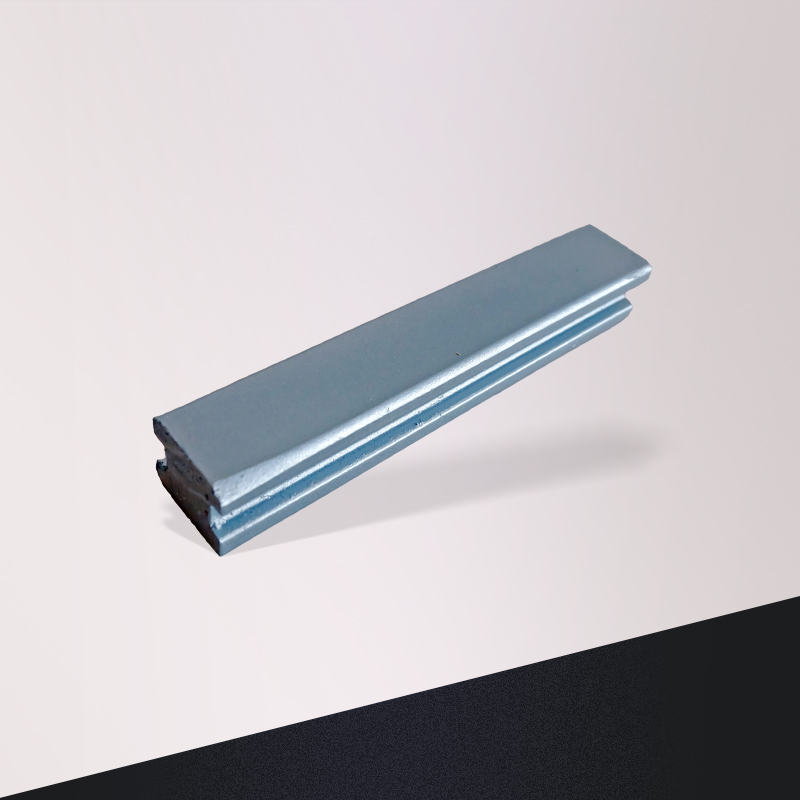
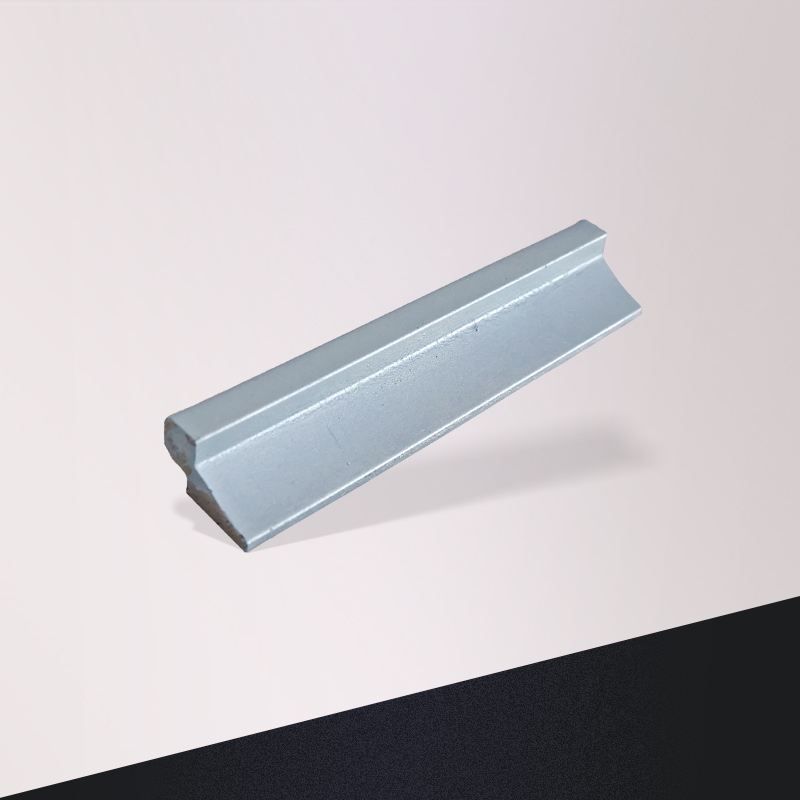
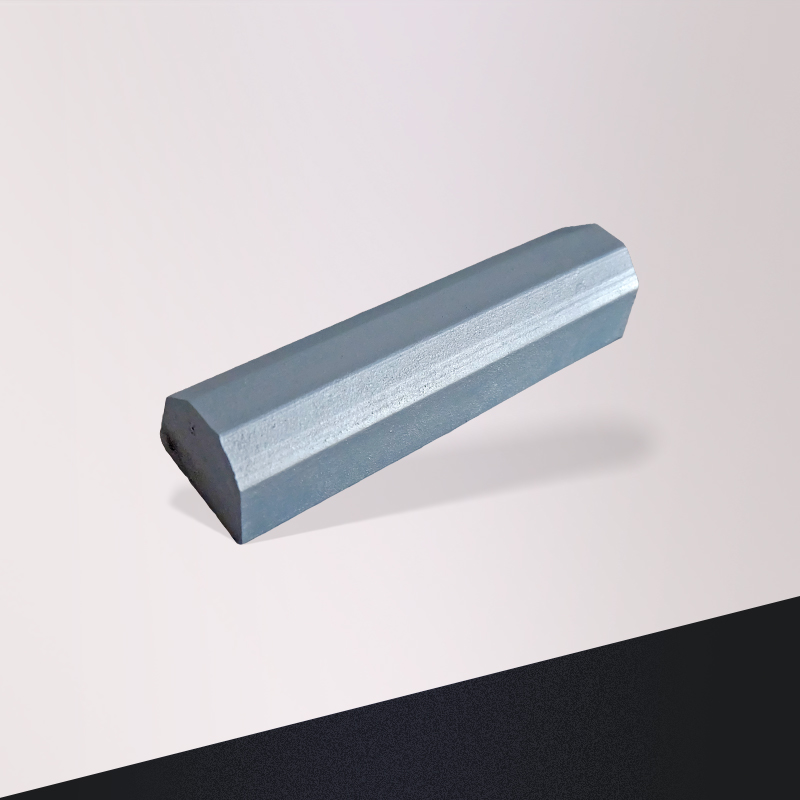
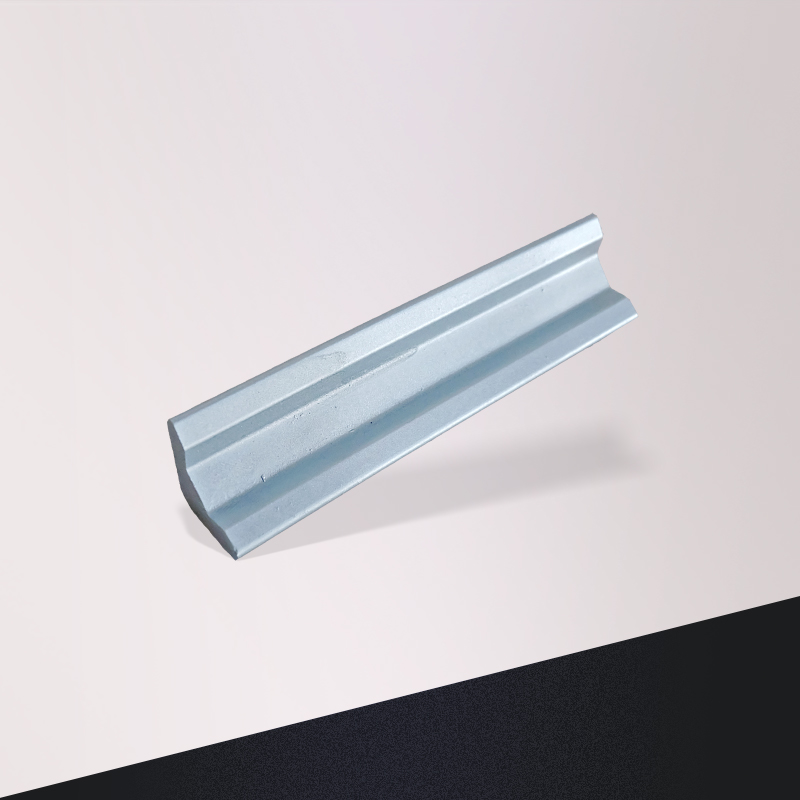
For automated equipment supporting applications, conveyor lines, special assembly machines and inspection equipment require a large variety of components in variable batch sizes. Custom machined parts are produced strictly according to customer drawings. Transmission shafts, support bases, connection plates and other components are delivered with good assembly fit. Automated equipment projects often purchase components on a project basis, where the lead time of machining affects assembly progress. Production is scheduled according to project milestones to satisfy supporting demands for equipment assembly. Non-standard structural parts are custom-made with profiled contours milled, reducing extra processing work for clients.
For new energy equipment supporting applications, structural and functional parts for photovoltaic equipment, energy storage systems and charging facilities require mass machining. Our machined components include aluminum profile brackets, copper busbar connectors and heat dissipation parts with stable dimensions and high assembly consistency. For mass delivery of new energy equipment, components are supplied batch by batch with consistent dimensional performance across lots, matching the production rhythm of mass assembly. Selected parts are equipped with surface treatments after machining, offering appearance and weather resistance suitable for outdoor equipment environments to fulfill component supply requirements of new energy equipment.
For textile machinery supporting applications, textile equipment runs at high speeds, so transmission and guide components demand high dimensional precision. We machine yarn guides, tension roller shafts, transmission gears and other parts with stable dimensions to ensure smooth equipment operation after assembly. Replacement parts for textile machinery maintenance are produced based on original equipment drawings to match the original structure and restore machine performance. Textile enterprises can purchase wear-resistant machined parts in bulk with unified specifications for textile equipment maintenance and supporting needs.
For construction machinery and hydraulic equipment supporting applications, hydraulic valve bodies, cylinder connectors and structural brackets endure pressure and vibration, requiring high material strength and machining accuracy. Materials are selected according to service conditions, and finished components maintain stable dimensions and reliable sealing performance after assembly. Heat treatment such as quenching and tempering can be performed as required to improve part strength and wear resistance. Manufacturers of construction machinery and hydraulic equipment can source machined parts in bulk with stable performance for mass production.
The production of machined parts is supported by CNC machining equipment and inspection systems. Standardized controls cover drawing interpretation, programming, tool setup, first article inspection and mass production. Finished products pass critical dimensional measurement and visual inspection to guarantee reliable assembly performance. Both prototype samples and mass production orders are accepted. Custom materials and surface treatments are available per drawings, catering to component procurement needs of automated equipment manufacturers, new energy equipment enterprises, textile machinery and construction machinery producers.

 Phone Number:Panlixin 13706201799 Panliyong 13306238299
 Service Hotline:0512-52468216
 Company Address:Zhangjiaqiao, Xinzhuang Town, Changshu City
 Technical Support:Lange chain enterprise

Enterprise Wechat

Add Wechat
 Ch
 En
 Add wechat
 Contact us
 Telephone